
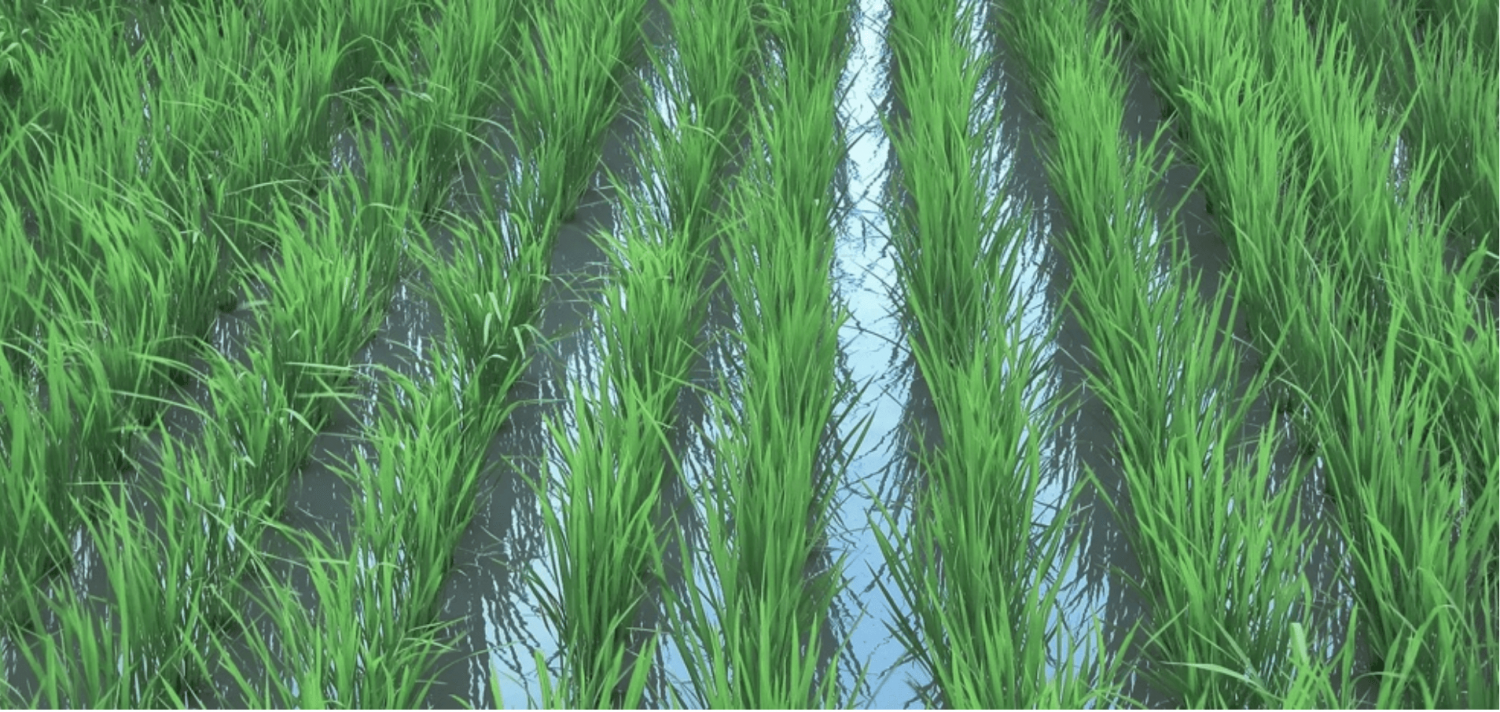
Si has been reported to have beneficial effects on plants under biotic and/or abiotic stress in a wide variety of crops such as rice, oats, barley, wheat, cucumber, and sugarcane. The leaves, stems, and cultures of plants, especially rice grown in the presence of Si, exhibit upright growth, thereby greatly improving light distribution within the canopy.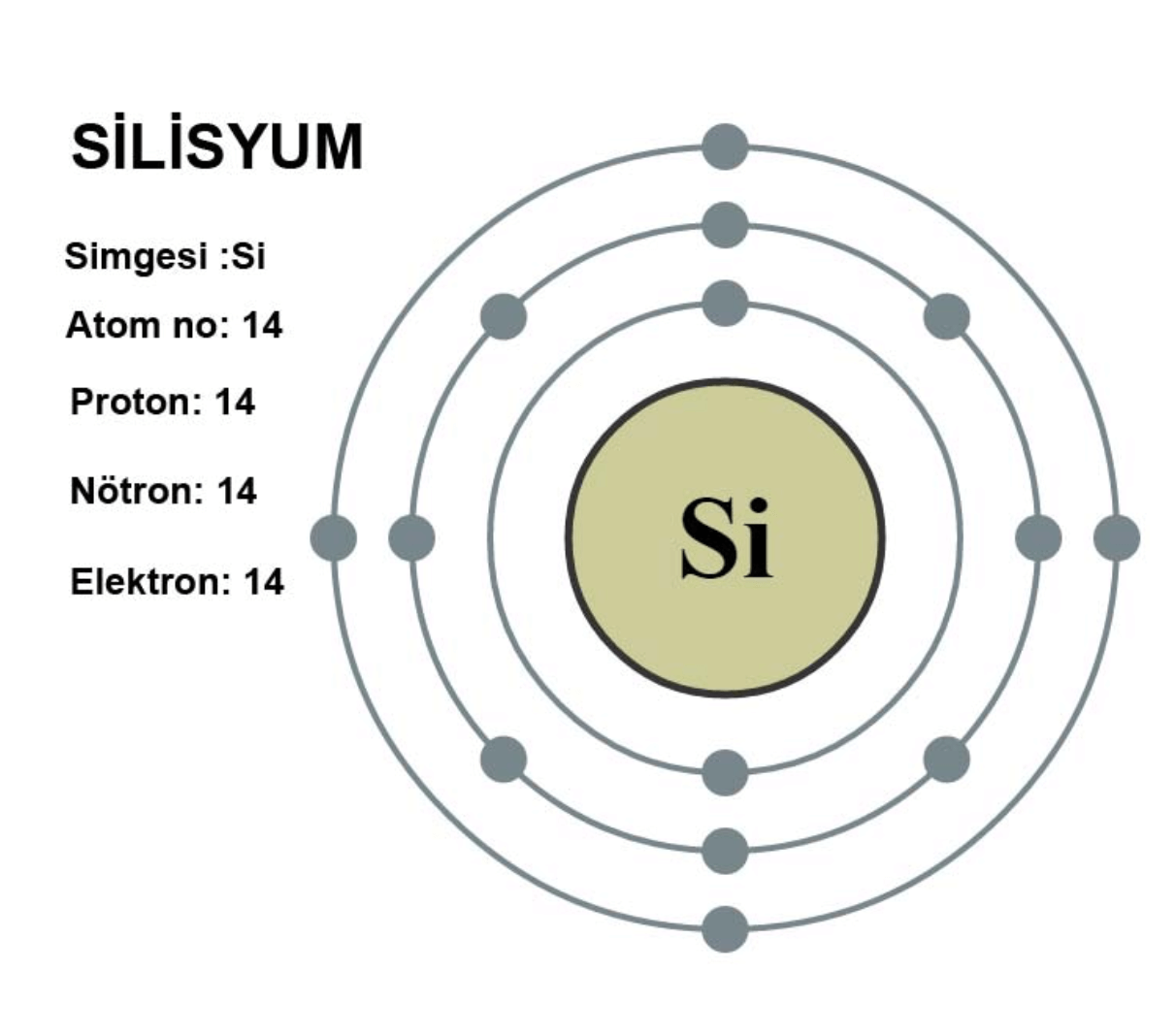 Silicon can positively affect the activity of some enzymes involved in photosynthesis in rice and grasses and can also reduce the aging of rice leaves.
Silicon can reduce electrolyte leakage from rice leaves and thus promote greater photosynthetic activity in plants grown under water deficiency or heat stress.
Silicon increases the oxidation power of rice roots, reduces injuries caused by climatic stress such as typhoons and cool summer damage in rice, mitigates freezing damage in sugarcane, facilitates the extreme cooling of palm leaves, and increases tolerance to freezing stress in some plants.
Silicon reduces the access of toxic elements such as manganese, iron, and aluminum to the roots of plants like rice and sugarcane, and increases the resistance of rice and barley to salt stress.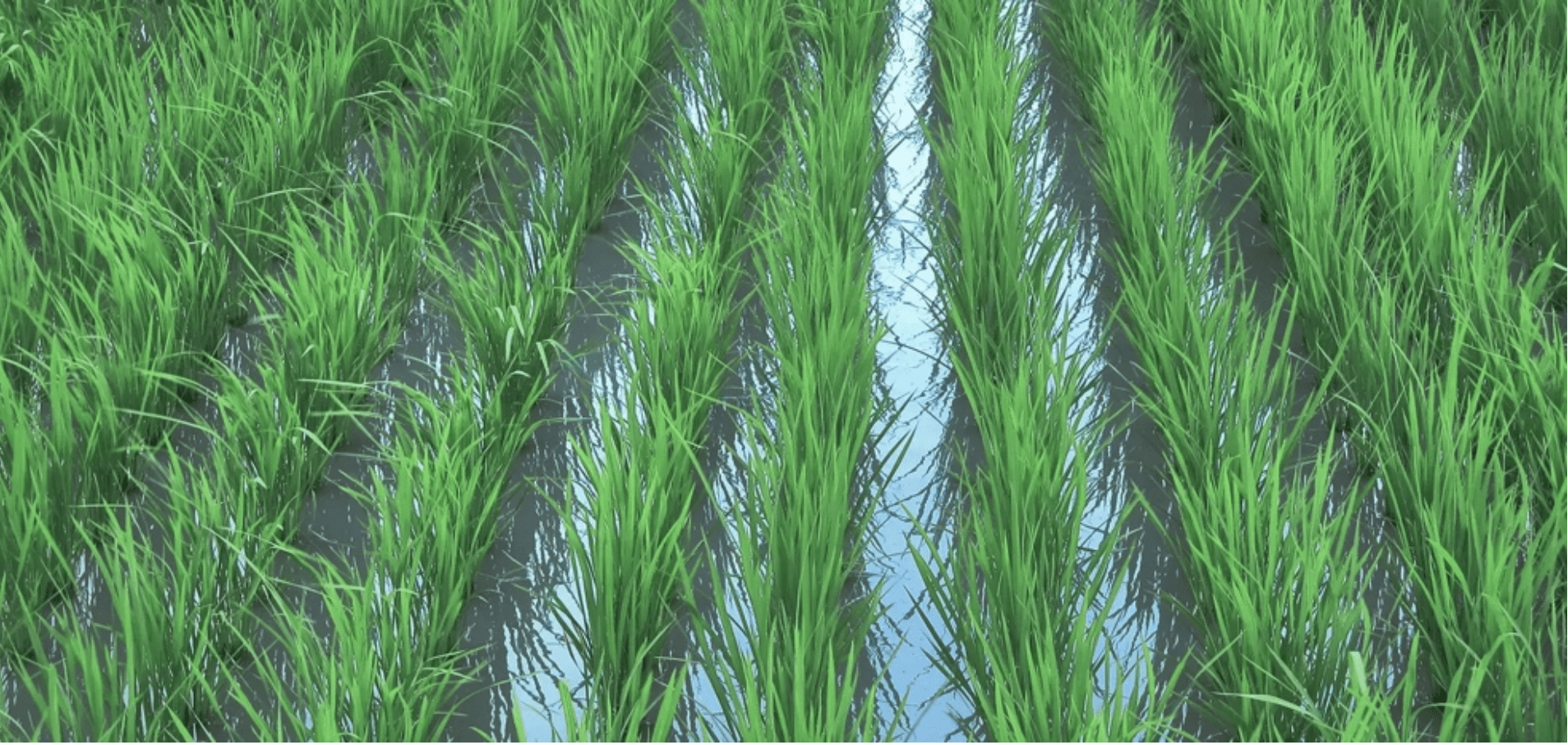
The greatest reduction in leaf blast was observed when both Si and fungicide were applied.
Fungicides increased yield by 22 to 28% compared to the control. Interestingly, Si alone increased yield by 51%, and this increase was significantly greater than the contribution from fungicides.
The effect of Si in reducing a disease like blast undoubtedly contributed to the yield increase, but it has also been shown that Si increases yield even in the absence of disease.
The increase in grain yield can be attributed to an increase in the number of grains per panicle. Spikelet productivity is also associated with Si concentration in rice.
Therefore, Si alone can increase the grain yield of rice varieties without further genetic improvement.
In conclusion, researchers noted that Si can control diseases as effectively as fungicides. It appears that silicon can help reduce the number of fungicide applications during the growing season. The use of Si plus reduced fungicide rates is as effective as using full rates of fungicides alone. These results suggest that the number and rates of fungicide applications can be reduced. A one-year permanent application is also effective in reducing leaf and neck blast and maintaining rice yield. Since Si alone increases yield more effectively than fungicides alone, fungicides may be completely eliminated. As a result, growers can save on the initial or additional application costs for fungicides or Si while providing positive environmental benefits.
AGRICULTURAL ENGINEER, SERKAN GÜMÜŞ
References:
https://www.apsnet.org/edcenter/apsnetfeatures/contents/SiliconInRiceDiseases.aspx